


Designing Staircases as Integrated Architectural Systems
A Professional Perspective for Architects, Designers, and Builders
In contemporary architecture, staircases are no longer isolated building elements added at the end of a project. They are increasingly treated as integrated architectural systems, requiring early coordination, structural planning, and material strategy. For architects, interior designers, and contractors working on high-end residential or commercial projects, the staircase often represents one of the most technically demanding and visually prominent components of the interior.
A well-designed stair must resolve three critical objectives simultaneously: structural integrity, code compliance, and architectural expression. Achieving this balance requires more than selecting a stair style—it demands a system-level approach that integrates engineering, materials, fabrication, and installation logistics from the earliest design stages.
Staircases as Load-Bearing Architecture
From a structural standpoint, staircases are complex assemblies. Unlike walls or floors, stairs introduce dynamic loads, point connections, and often cantilevered or suspended elements. Modern stair designs—such as floating stairs, mono-stringer systems, or glass-supported configurations—push these structural demands even further.
For architects, understanding how loads transfer through stringers, treads, landings, and anchor points is essential. A visually minimal stair may still rely on concealed steel structures embedded in walls or floors. In such cases, early collaboration with a stair manufacturer allows structural requirements to be coordinated with the building’s concrete pours, steel framing, or timber structures—avoiding costly retrofits later in the project.
Contractors also benefit from system-based stair design. Factory-engineered stair systems reduce on-site improvisation, shorten installation timelines, and significantly lower the risk of alignment or tolerance issues.
Material Strategy and Performance Considerations
Material selection plays a defining role in both aesthetics and long-term performance. Architects frequently specify stairs using wood, steel, glass, or stone, but each material introduces unique technical considerations.
- Wood treads offer warmth and acoustic comfort, but require careful attention to moisture control, expansion allowances, and surface durability.
- Steel structures provide high load capacity and slim profiles, making them ideal for modern or industrial designs, yet require precision fabrication and high-quality finishes for interior applications.
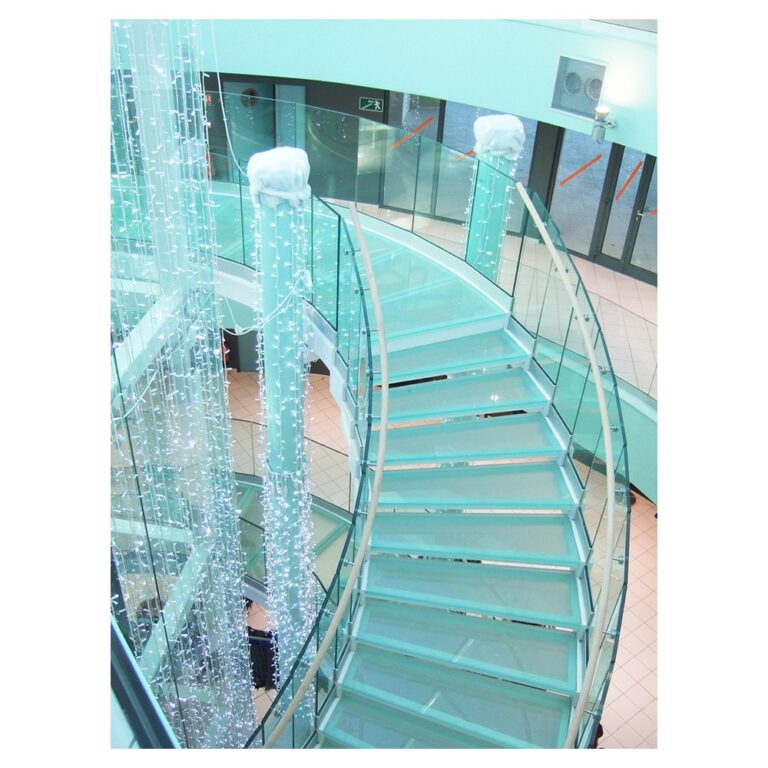
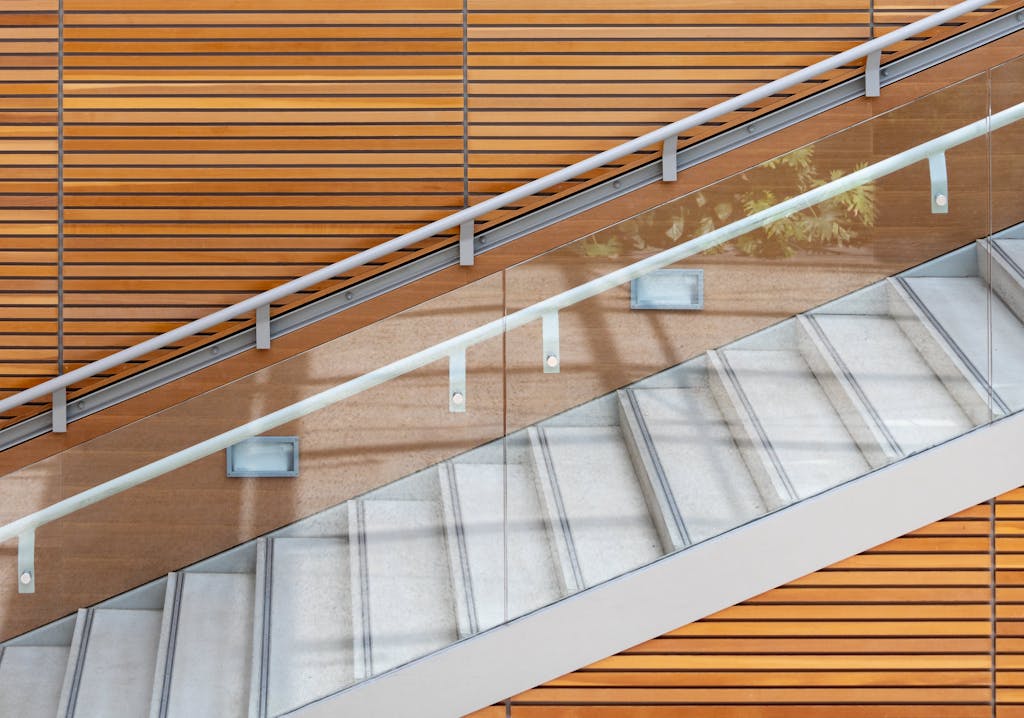
- Glass components, particularly balustrades or treads, demand strict adherence to safety standards, laminated construction, and edge detailing to ensure both transparency and structural reliability.
- Stone or concrete treads introduce mass and permanence but increase load requirements and installation complexity.
A professional stair system integrates these materials cohesively, ensuring that finishes, connections, and tolerances work together rather than conflict on site.
Code Compliance Without Design Compromise
One of the most common challenges in stair design is reconciling architectural intent with building code requirements. Riser heights, tread depths, nosing profiles, guard heights, and handrail geometry are all tightly regulated—particularly in the U.S. market.
Experienced stair manufacturers design systems that anticipate code constraints, allowing architects to explore creative solutions without risking approval delays. For example, subtle adjustments to tread thickness or riser proportions can preserve visual balance while maintaining compliance. Similarly, custom handrail designs can meet graspability requirements without appearing bulky or intrusive.
For remodeling contractors, pre-engineered stair systems reduce inspection risks and simplify coordination with local authorities, ensuring smoother project delivery.
Precision Fabrication and Installation Efficiency
Modern staircases demand manufacturing accuracy measured in millimeters. Misalignment between floors, walls, or finishes can quickly compromise the final result. This is why advanced fabrication methods—such as CNC machining, laser cutting, and controlled finishing environments—have become essential in high-end stair production.
From a project management perspective, factory-direct stair systems offer clear advantages:
- Predictable lead times
- Consistent quality across components
- Reduced on-site labor
- Clear installation documentation
For contractors, this translates into fewer delays and callbacks. For designers, it ensures the built result faithfully reflects the original intent.
Staircases as Design Signatures
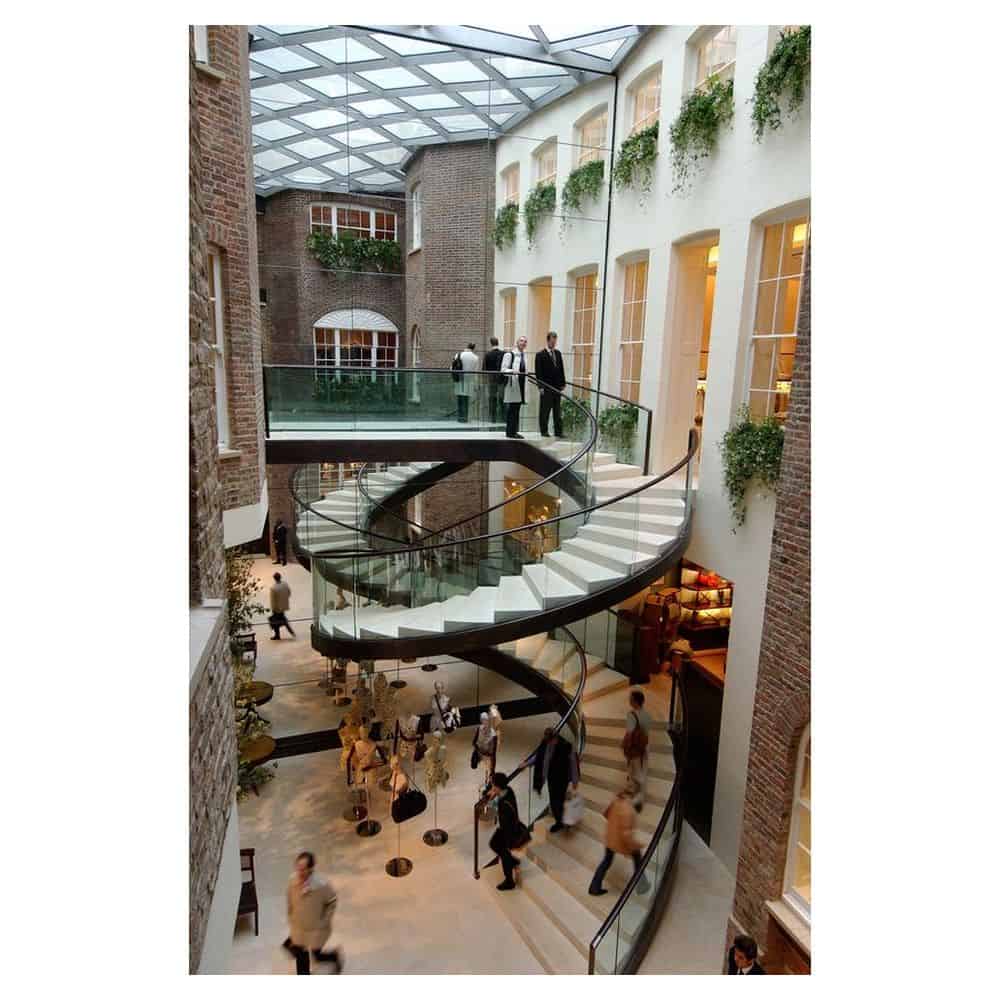
Beyond technical execution, staircases often serve as signature elements within a project. In luxury homes, the stair is frequently the first interior feature encountered upon entry. In commercial spaces, it may define circulation patterns and visual hierarchy.
Architects increasingly use staircases to communicate design philosophy—minimalist, industrial, sculptural, or timeless. When treated as a system rather than a product, the stair becomes an opportunity to reinforce the project’s architectural narrative.
This is particularly relevant in competitive markets, where distinctive interiors add long-term value to properties and strengthen brand identity for developers and designers alike.
Partnering With a Specialized Stair Manufacturer
Successful stair projects are rarely the result of isolated decisions. They emerge from collaboration between architects, designers, engineers, manufacturers, and installers. A specialized stair manufacturer functions not just as a supplier, but as a technical partner, translating design intent into buildable reality.
Factory-direct manufacturing offers additional benefits: tighter quality control, cost transparency, and the ability to customize every aspect of the system—from geometry and materials to finishes and packaging for export or long-distance transport.
For professionals working on complex or design-driven projects, this partnership reduces risk and enhances design freedom.
Conclusion
In modern architecture and interior design, staircases deserve the same level of attention as façades, structural systems, or custom millwork. When designed as integrated architectural systems, stairs deliver far more than vertical circulation—they contribute to safety, efficiency, identity, and long-term value.
For architects, designers, and remodeling contractors, working with an experienced, factory-direct stair manufacturer ensures that vision, engineering, and execution align seamlessly. The result is a staircase that performs flawlessly, complies fully, and elevates the entire project—both technically and aesthetically.