

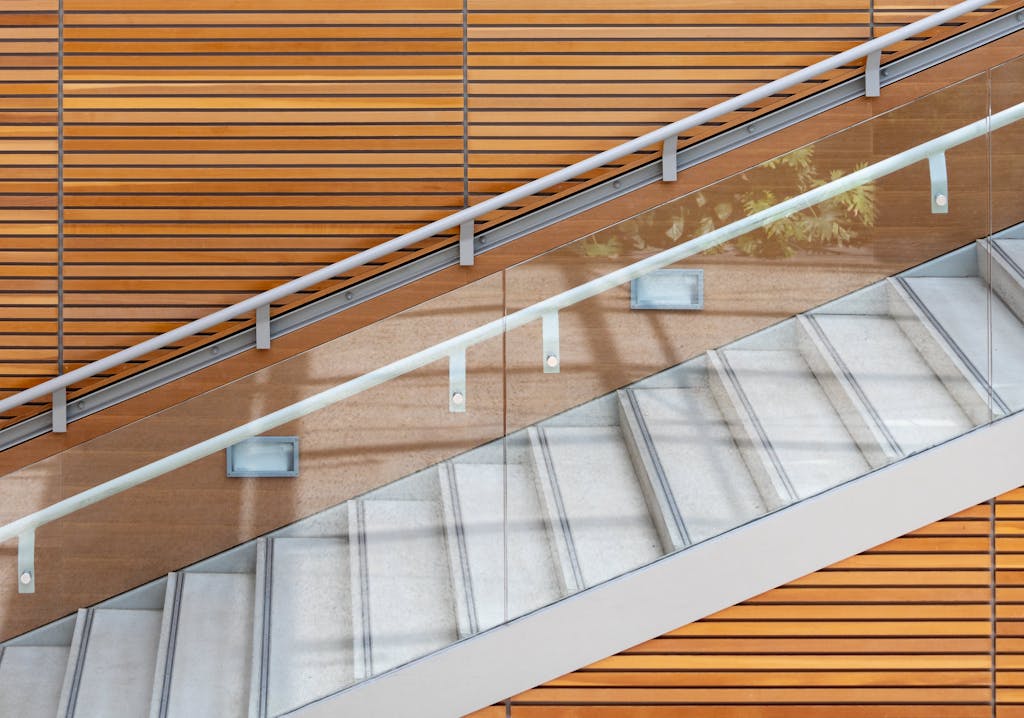

Glass Tread Balustrade Stairs Modern Design Glass Stair
The Architectural Allure of Glass Tread Stairs and Glass Balustrade Stairs
Glass tread stairs and glass balustrade stairs epitomize contemporary staircase design, combining transparency, strength, and sophistication. Once considered daring showpieces, these all-glass stair elements have evolved into sought-after features in luxury homes, offices, and high-end retail environments. With their crystalline treads and transparent railings, such staircases serve as both architectural focal points and light-transmitting conduits, transforming interiors with a sense of openness and modern drama.
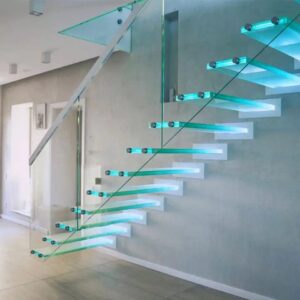
Beyond their striking appearance, glass stairs are engineered to meet strict safety and building code standards. Using advanced laminated safety glass and precision hardware, they deliver stability and durability comparable to traditional stairs while maintaining a minimalist aesthetic.
Key advantages include:
- Transparency & Modern Aesthetics: Glass opens up sightlines and allows light to flow through, making interiors feel larger while delivering a clean, contemporary style.
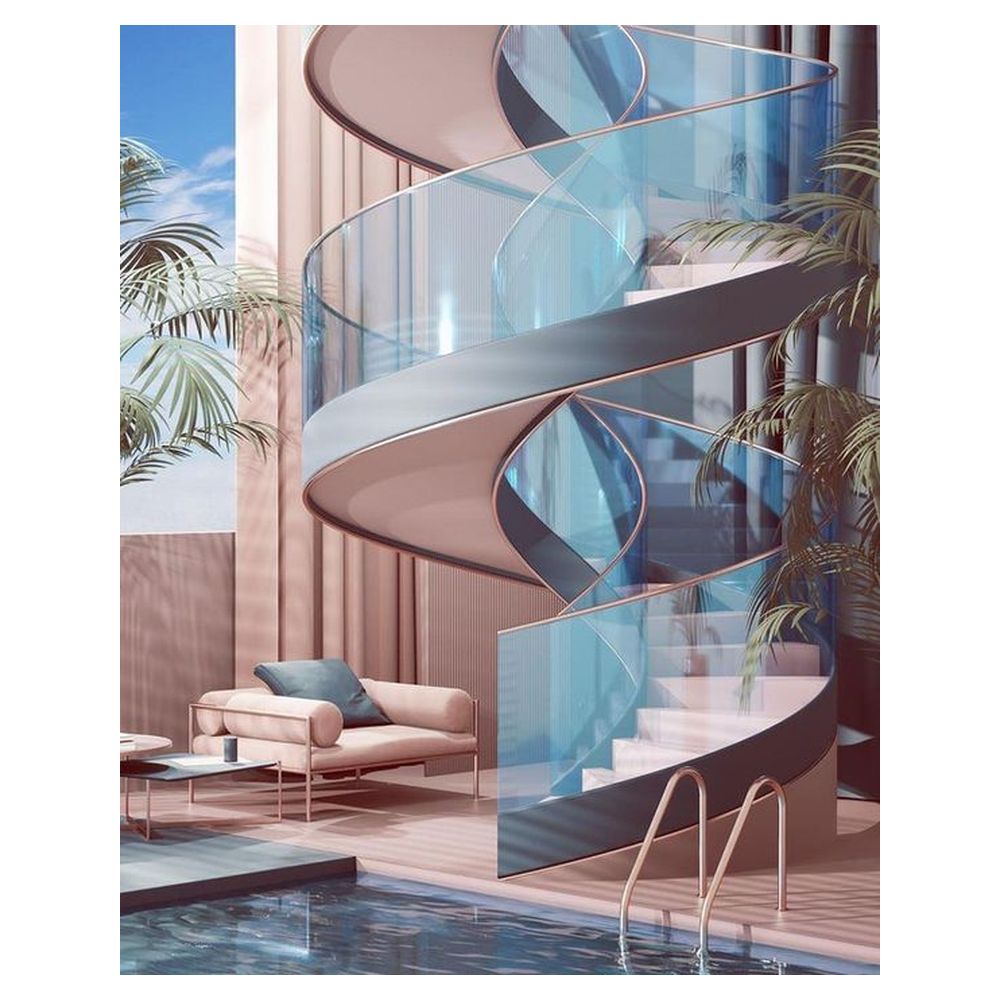
- Design Versatility: Glass staircases can be configured in floating, spiral, or straight forms, and can even include integrated LED lighting.
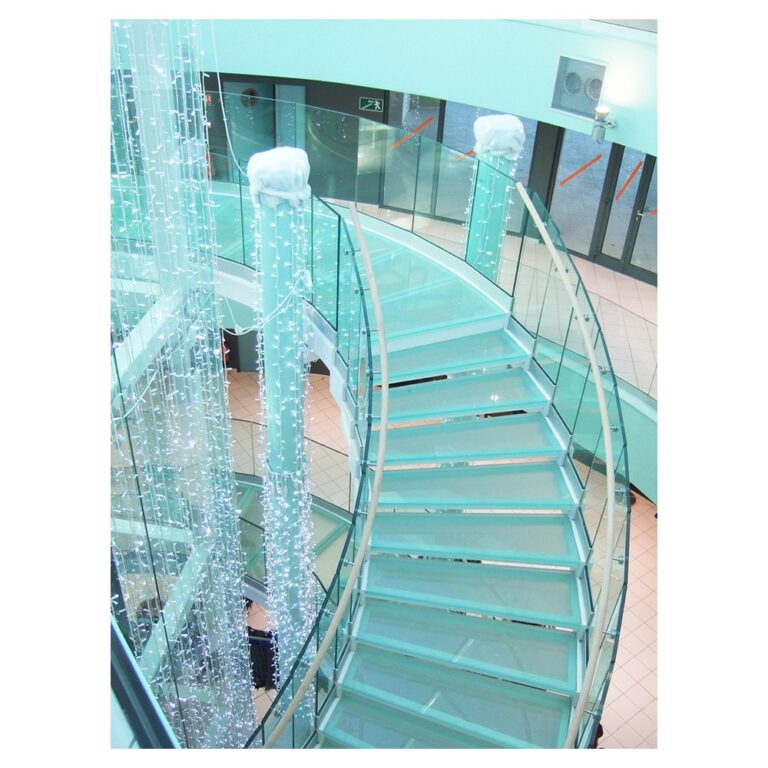
- Strength & Safety: Laminated glass treads are engineered to support heavy stair loads, and tempered or laminated glass balustrades act as robust, shatter-resistant guards. Even if a panel cracks, the interlayer holds shards in place to prevent collapse, and anti-slip glass finishes ensure secure footing.
Modern Aesthetics and Architectural Value
A glass staircase elevates the ambiance of a space by allowing light to flow freely and preserving sightlines between levels. This transparency makes interiors feel more expansive and connected, aligning perfectly with open-concept, minimalist design styles. A well-designed glass stair often doubles as a functional art piece – becoming the centerpiece of a luxury home or chic lobby. As daylight filters through and LED accents glow at night, the stair creates dynamic visual effects and a “wow factor” that reinforces a premium, cutting-edge design narrative.
Structural Design and Material Considerations
Laminated safety glass is the material of choice for glass stair treads, composed of multiple tempered layers bonded with a tough interlayer to ensure strength and rigidity. The glass balustrade panels are likewise made of high-strength tempered or laminated glass to resist lateral loads and keep users safe. These components attach to an engineered support system. Often, a steel or aluminum stringer beam runs beneath or alongside the treads; alternatively, the glass steps can be cantilevered from a wall with concealed hardware for a floating effect. Glass railing panels typically anchor into slim floor channels or mount on discreet standoff brackets, securing them without bulky frames.
Safety and Code Compliance
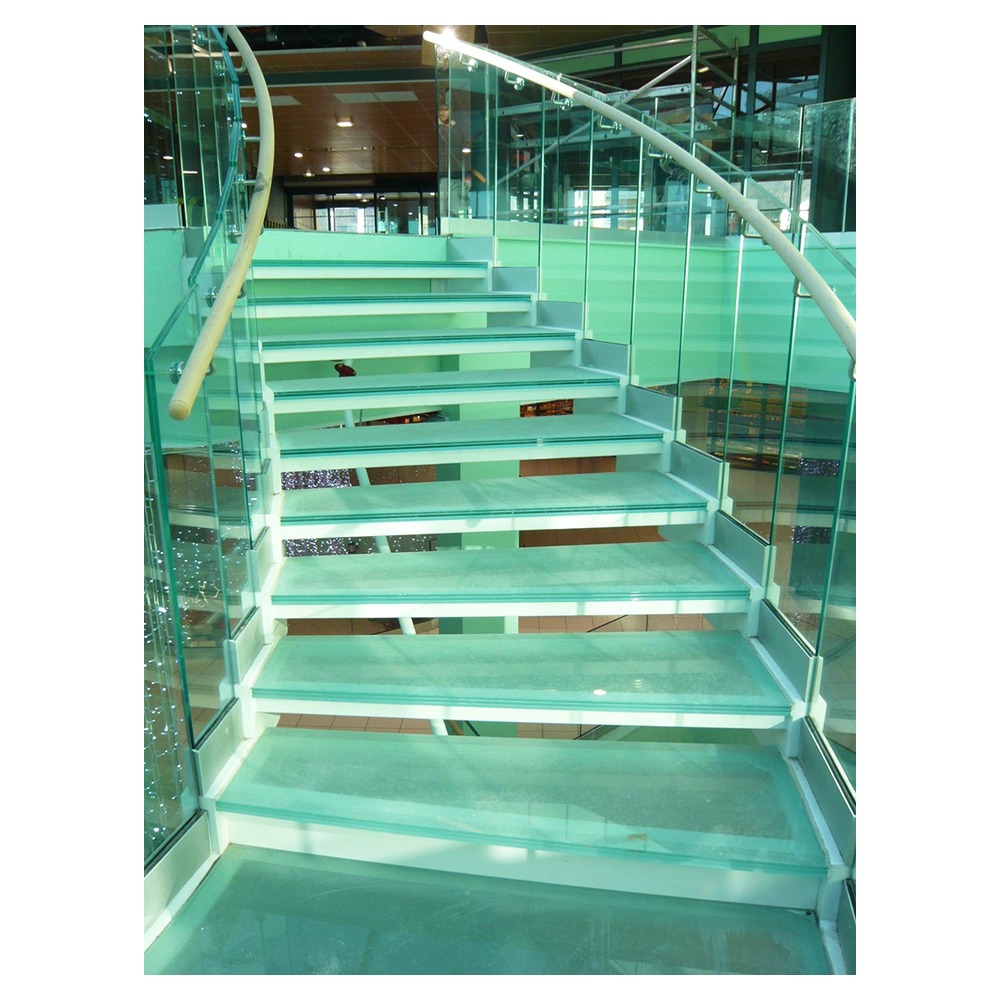
Glass treads and railing panels must be made of safety glazing—tempered or laminated glass that is much stronger than standard glass and less hazardous if it breaks. Building codes typically mandate laminated glass for any weight-bearing treads or glass used in guardrails, especially in commercial applications. This ensures that if a glass component cracks, a tough interlayer holds the pieces together and the stair remains intact.
Glass staircases are engineered to meet the same structural load requirements as conventional stairs, and their glass balustrades are built to withstand the lateral forces specified for guardrails. To address slip concerns, most glass treads have an anti-slip treatment – for example, an acid-etched texture or translucent grip coating – that adds traction without obscuring the glass. And while the glass balustrade itself serves as the guardrail, a complementary graspable handrail (often a slim wood or metal rail) is required by code for users to hold onto. With these measures in place, a well-designed glass staircase can be as safe and code-compliant as any traditional stair.
Installation Considerations
Each glass stair project is custom-fabricated, so precise planning and expert installation are critical. Accurate site measurements and close coordination with the manufacturer are needed to ensure the supporting structure is built to fit the glass components exactly. During construction, specialized installers use proper lifting equipment to carefully position the heavy glass treads and panels, making sure every element is aligned and securely fastened in place.
Lighting Integration and Custom Features
Lighting can transform a glass staircase into a luminous feature. LED strips recessed along treads or handrails make the glass steps glow after dark, giving the illusion of floating steps while clearly illuminating each one for safety.
Glass stairs also offer many customization options. Low-iron glass may be chosen for an ultra-clear, colorless look, or conversely tinted or frosted glass used to introduce subtle contrast. Some designs incorporate decorative interlayers – colored films or printed patterns laminated between glass layers – to give the staircase a unique identity. Even the metal fittings and handrails can be finished in custom colors or premium metals to complement the overall design.
Applications in Luxury Homes, Commercial Interiors, and Retail Environments
- Luxury Residences: High-end homes often feature a floating glass staircase as a showpiece that adds an airy, open feel between levels. Such a stair showcases the homeowner’s taste for innovative design and becomes a conversation piece.
- Commercial Interiors: Offices and hotels install glass stairs to impress visitors and convey a forward-thinking atmosphere. A sleek glass stairway in a corporate headquarters or boutique lobby can symbolize transparency and innovation while serving as a sculptural focal point.
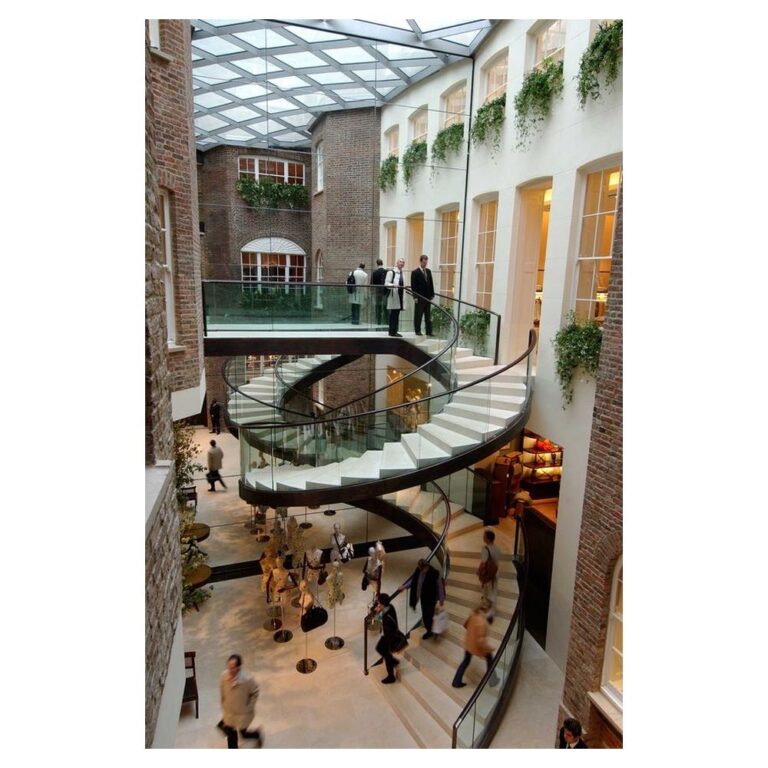
- Retail Environments: Luxury stores and showrooms use glass staircases to keep sightlines open to merchandise and entice shoppers upward. In flagship boutiques, a grand glass stair becomes an architectural emblem of the brand – turning the journey between floors into a memorable, upscale experience.
Conclusion
Glass tread stairs and glass balustrade stairs deliver open, light-filled interiors while meeting rigorous safety and structural standards, exemplifying the fusion of form and function. As contemporary architecture increasingly embraces transparency and innovative materials, glass staircases have emerged as defining features of upscale projects. Practically, these stair systems are engineered for strength and longevity; aesthetically, they create a dramatic visual impact that few other elements can match. In short, a well-executed glass staircase proves that designers can push creative boundaries without sacrificing safety, making it a hallmark of luxury and innovation.