


Modern Staircases: Architectural Centerpieces in Contemporary Design
A floating staircase with solid wood treads appears to hover effortlessly against a dark wall, exemplifying how modern staircases double as sculptural design elements. Modern staircases are more than just a means of moving between floors—they have become defining architectural features that shape the character and flow of a space. In high-end architecture, a well-designed stair is often the architectural centerpiece, immediately capturing attention and setting the tone for the surrounding design. Far from an afterthought, the staircase can anchor a building’s interior aesthetic, seamlessly blending form and function. By thoughtfully integrating architectural stair systems into a project, architects and designers use staircases to elevate both the style and experience of residential and commercial environments.
Integrating Staircases into Modern Spaces
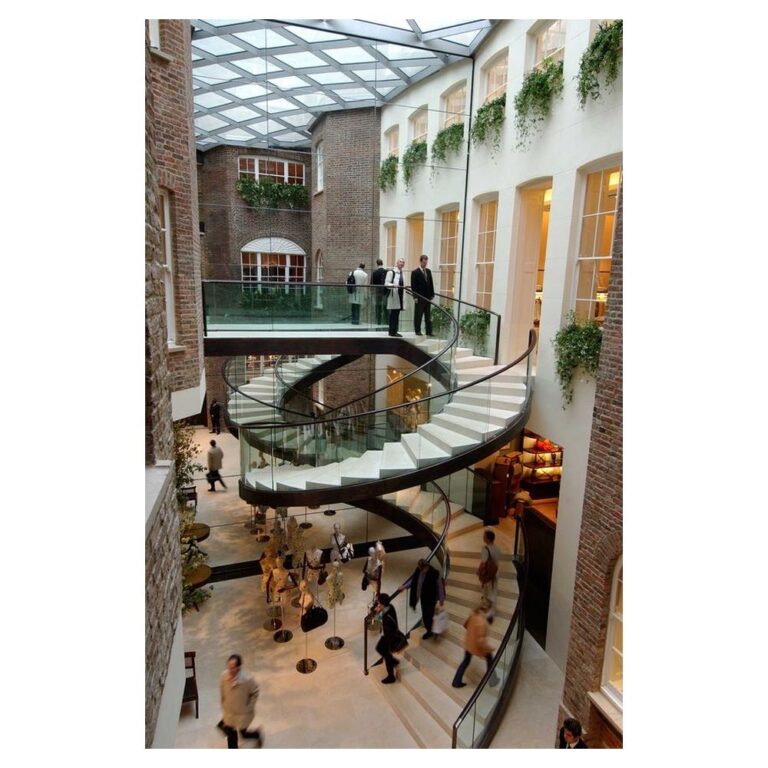
In modern projects – from open-plan luxury homes to cutting-edge commercial interiors – staircases play a pivotal role early in the design process. Their placement and configuration influence natural traffic flow and sightlines throughout a building. Rather than disrupting open layouts, a staircase should complement the spatial flow, creating connection between levels without fragmenting the space. For example, in a residential loft with high ceilings, a sleek floating stair tucked along a wall can maintain an airy, open feel. In a boutique hotel or retail showroom, a dramatic helical or spiral stair placed centrally becomes a functional piece of art, guiding visitors upward while making an architectural statement. Modern staircases must also balance aesthetics with practicality – providing easy, safe circulation and meeting technical needs like egress requirements in public venues. Early collaboration between architects, interior designers, and stair specialists ensures that a custom stair is organically woven into the building’s layout, structural planning, and design vision.
Material Combinations and Structural Styles
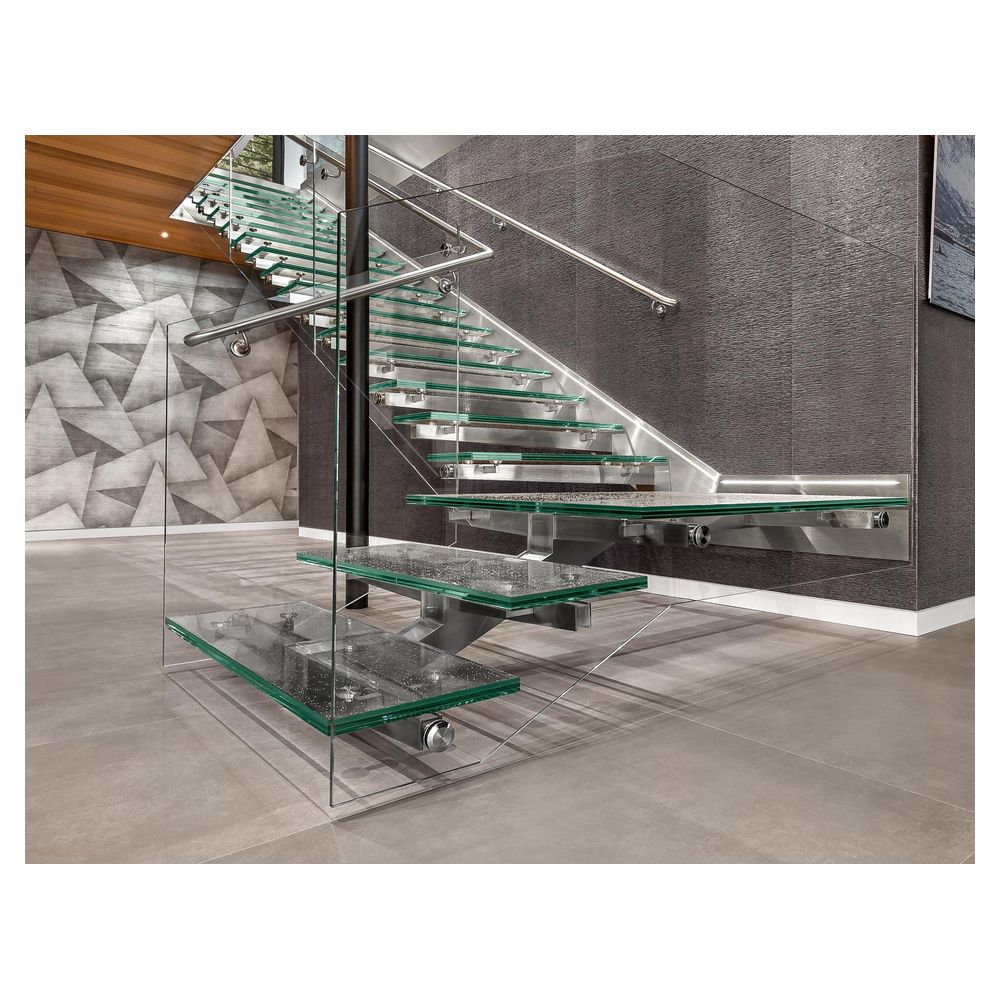
Today’s custom stairs often incorporate innovative combinations of materials and bold structural forms that turn a utilitarian feature into a design highlight. The choice of materials influences both look and performance. Wood adds warmth and natural beauty, steel offers strength with a sleek industrial edge, glass conveys openness and light, and concrete brings solidity and a minimalist modern appeal. Many premium designs blend these elements – for instance, wooden treads on a painted steel stringer with glass railings achieve a balance of warmth and transparency. The interplay of materials can tell a story about the space, such as pairing heritage timber with contemporary metal for a timeless yet modern contrast.
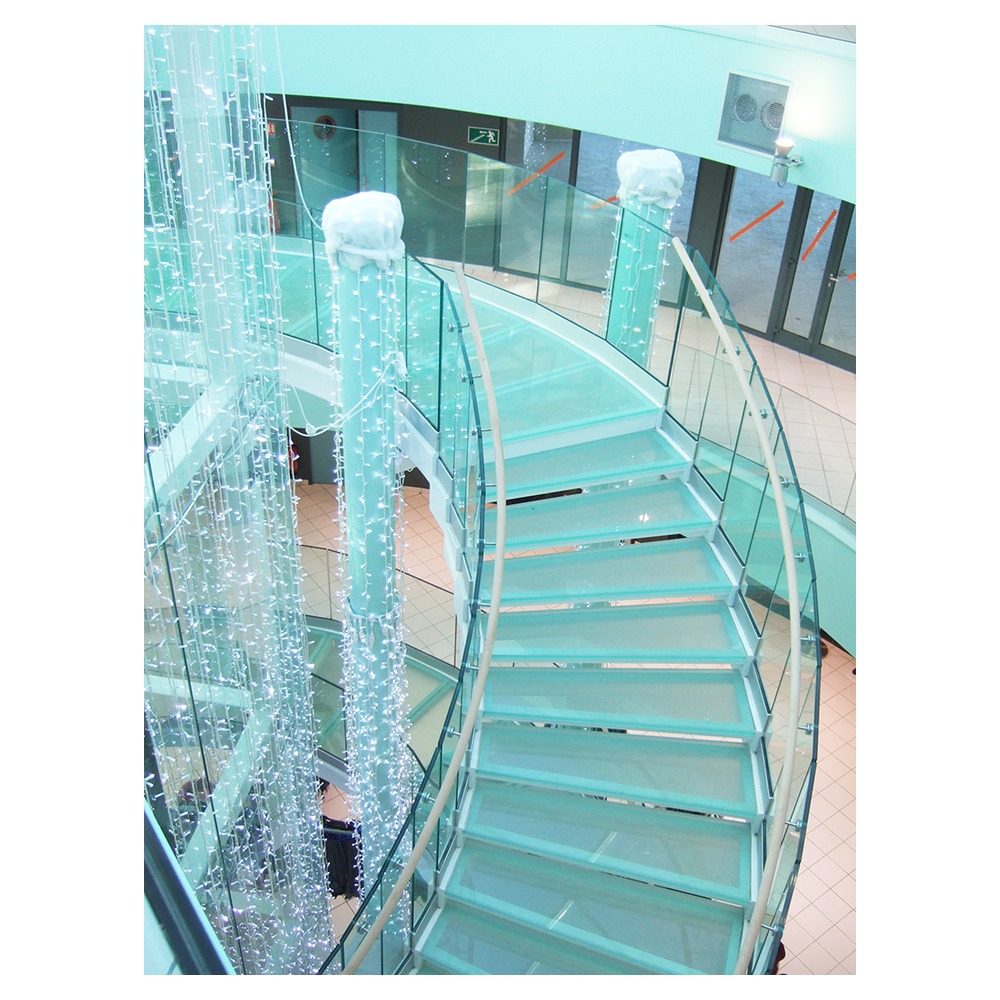
Equally important is the structural style of the staircase. Floating stairs, with concealed or cantilevered supports, create a dramatic illusion of weightless treads and open sightlines (often using hidden steel frameworks for stability). Straight-flight stairs in modern contexts tend to emphasize clean lines, while spiral and helical stairs introduce curvature and sculptural form – ideal for making visual impact in tighter footprints. Custom-engineered solutions are available for ambitious designs; for example, a helical stair may require a specialized steel substructure to carry loads around its sweeping curve. Whether it’s a monolithic folded plate stair in concrete or a light, suspended ribbon of glass and steel, the structure must be carefully engineered to merge aesthetics, safety, and strength. By choosing the right mix of materials and structural system, architects can ensure the staircase becomes a harmonious extension of the building’s overall design language.
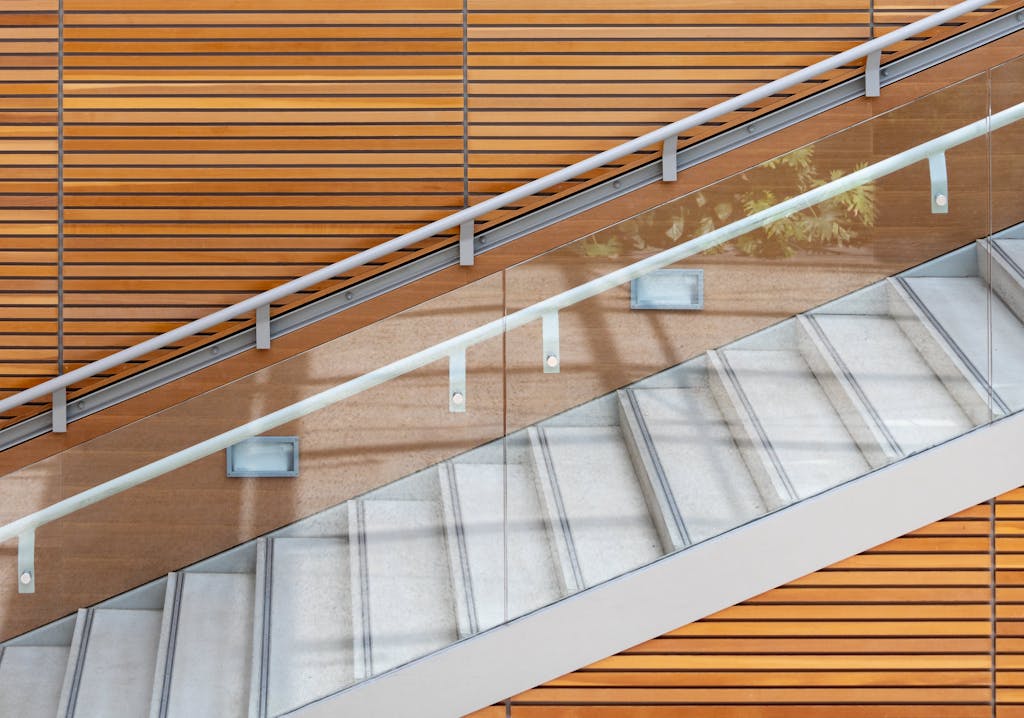
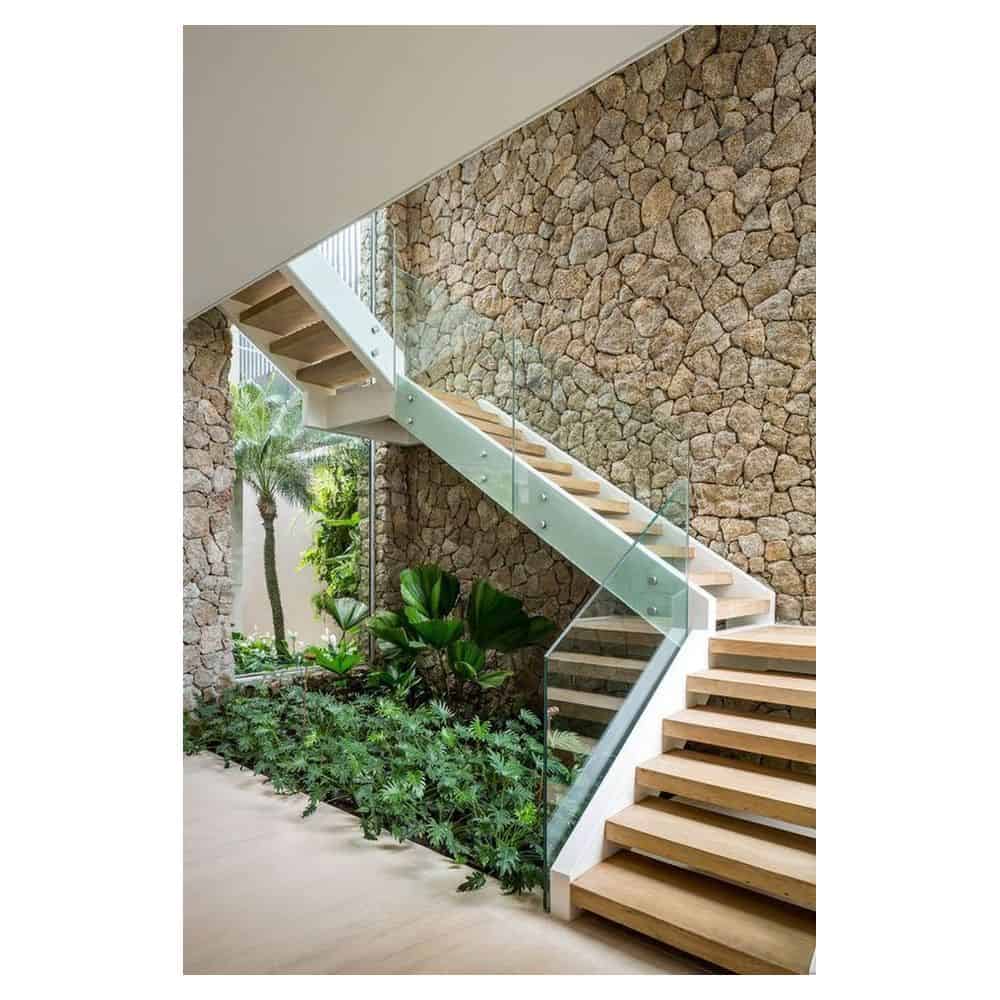
Light oak treads cantilever from a white wall with a clear glass balustrade, illustrating how material choices like wood and glass create an airy, contemporary stair design. Every element – from stringers and treads to stair components like balusters and handrails – must work in concert. The transparency of glass can make steel stairs feel lighter, while metal accents can frame and accentuate the texture of wood. In all cases, meticulous detailing at the junctions between materials (for example, where glass panels meet metal rails, or wood treads wrap over steel supports) is crucial for both beauty and durability. Modern architectural stair systems thrive on this marriage of materials and structure, delivering staircases that are as robust as they are visually stunning.
Key Considerations for Staircase Design
Designing a signature staircase involves balancing creativity with technical rigor. Key considerations include:
- Spatial Layout & Flow: Assess the available footprint and vertical rise to determine the stair configuration (straight, L-shape, U-shape, spiral) that optimizes flow. The staircase should enhance the layout, aligning with entrances or focal points, and preserve open sightlines where desired. Consider how the stair interacts with surrounding walls, windows, and furniture to ensure a natural fit within the space.
- Code Compliance & Safety: Every stair must meet building codes for dimensions and structural load. This means adhering to required tread depth, riser height, and railing/guardrail heights for safety. In commercial or public projects, additional regulations (like ADA accessibility standards) may apply. Architects and stair manufacturers work together to verify that the design not only looks spectacular but also provides secure, slip-resistant footing and sturdy support in line with all regulations.
- Precision Engineering & Fabrication: Unlike off-the-shelf stair parts, custom staircases demand precise engineering. Structural calculations ensure the stair can support expected loads with minimal deflection. Many modern stairs use hidden steel connectors or frames that must be fabricated to tight tolerances so that each component fits perfectly on-site. The use of advanced 3D modeling and CNC manufacturing is common to achieve the required precision. This level of detail is vital for floating designs, curved geometry, and seamless integration with the building’s structure.
Finish Coordination & Detailing: A high-end stair is a refined piece of interior architecture, so finish quality is paramount. All visible surfaces – wood stain or grain, metal patina or powder-coat, glass clarity or etching – should complement the project’s interior design palette. Equally important is coordinating finishes between the stair and its surroundings: matching flooring materials at landings, echoing wall or ceiling accents, and ensuring lighting highlights the stair’s form. Thoughtful detailing (such as flush-mounted hardware, concealed fasteners, and clean transitions) allows the staircase to feel like a naturally integrated design element rather than an add-on.
Applications in High-End Homes and Public Spaces
Modern, custom staircases are being featured as showcase elements across a range of project types. A few examples include:
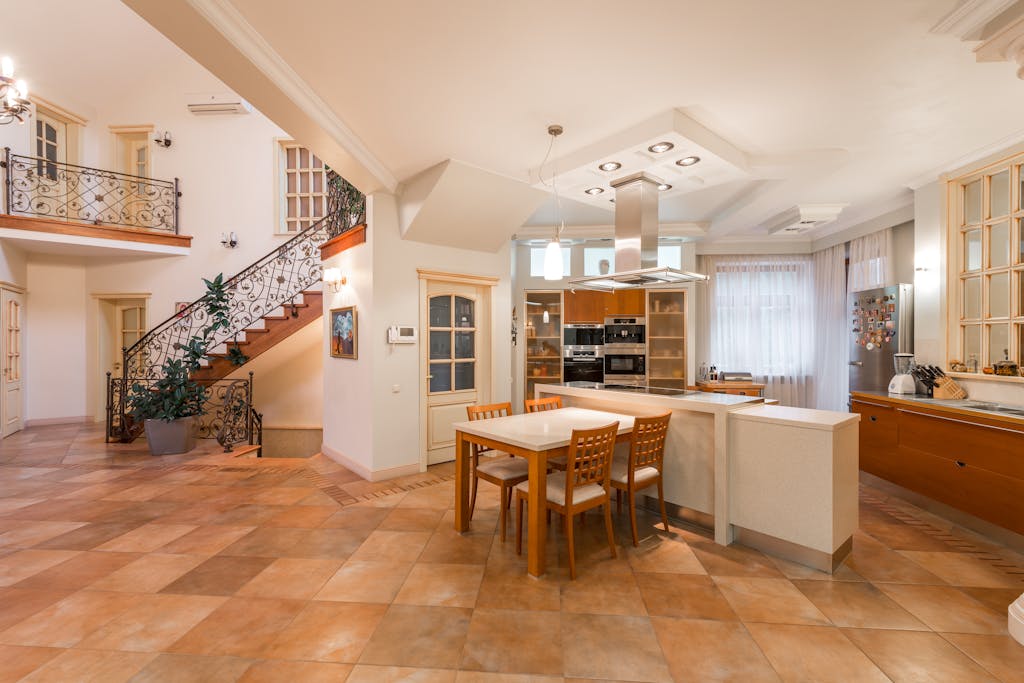
- Luxury Residences: In upscale homes, the staircase often greets visitors in the entry foyer, making an immediate statement about the home’s character. Designers may opt for an elegant floating stair with glass railings for a modern minimalist villa, or a sweeping curved stair in rich wood and metal for a more classical elegance. In any style, the stair becomes a conversation piece that reflects the homeowner’s taste and anchors the interior design theme.
- Hospitality and Retail: Hotels, restaurants, and flagship retail stores frequently use striking staircases to enhance their brand experience. A boutique hotel might feature a grand central staircase in its lobby – for instance, a spiral stair with sculptural bronze balusters and marble treads to evoke luxury. In high-end retail showrooms, a beautifully detailed stair encourages customers to explore multiple levels, acting as a functional exhibit of the store’s quality and style. The stair’s design can even reinforce branding, such as using the company’s signature materials or forms in the railing design.
- Corporate and Public Buildings: In corporate headquarters, museums, or libraries, staircases can serve as architectural landmarks that encourage interaction and movement. An open atrium in an office might be traversed by a bold steel-and-glass stair connecting collaborative spaces, embodying the company’s transparency and innovation. In public institutions, a broad, gently rising stair can double as seating or gathering space (the way many museum grand stairs do), blending utility with an invitation for people to linger. These statement stairs often become memorable features that symbolize the building’s purpose or the organization’s values.
A Premium Factory-Direct Stair Manufacturer and Partner
Ultimately, executing a breathtaking stair design requires the right expertise. Our team serves as a premium stair supplier and collaborative partner to architects and builders, providing end-to-end solutions for custom stairs. As a factory-direct stair manufacturer, we handle every aspect – from initial design consultation and engineering through precision fabrication and finishing – all under one roof. This integrated approach ensures that your architectural stair system is realized with exacting quality and efficiency, without middleman markups or delays.
We pride ourselves on marrying artisan craftsmanship with advanced manufacturing. Every project receives personalized attention to align with the client’s vision, whether it’s a one-of-a-kind floating showpiece or a series of bespoke stair components for a multi-level development. With decades of specialized experience, we navigate complex technical requirements (such as unique geometry or challenging site conditions) while maintaining a commitment to superior materials and finishes. The result is a staircase that not only meets your aesthetic and functional goals, but also stands the test of time in terms of stability and refinement.Conclusion: Modern staircases truly have the power to transform spaces – they elevate architecture both literally and figuratively. By considering design integration, material and structural innovation, and meticulous detailing, you can create stairs that inspire and impress. We invite you to collaborate with our expert team on your next project. Whether you’re envisioning a dramatic centerpiece staircase or a discreet architectural accent, we offer the creativity and technical mastery to bring your vision to life. Contact us to explore how a premium custom staircase can become the defining element of your next design.